Upcoming releases
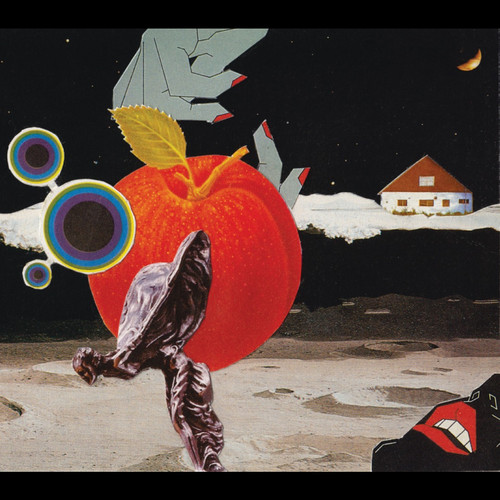
Highsmith Plus
Ikue Mori and Craig Taborn, the duo Highsmith, return after ten years and open up into three trios with Bill Frisell, Tomeka Reid and John Zorn, plus a few quintet pieces.

Ping
Raoul Björkenheim on guitar and Paal Nilssen-Love on drums, old partners from Scorch Trio, in nine pieces of free music recorded in Helsinki: wild and raw, at times delicate and introspective.
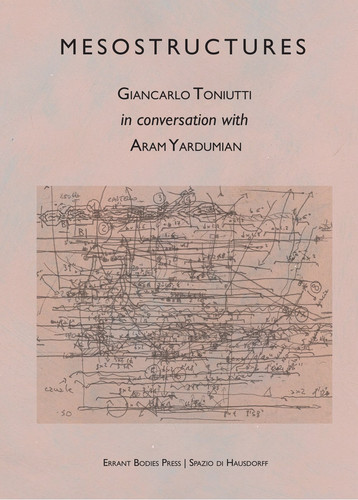
Mesostructures
Giancarlo Toniutti in a book-length conversation with Aram Yardumian, from his teenage tapes to Xenakis, René Thom and field recording, with archival photos, a full index of works and a CD of three new pieces.
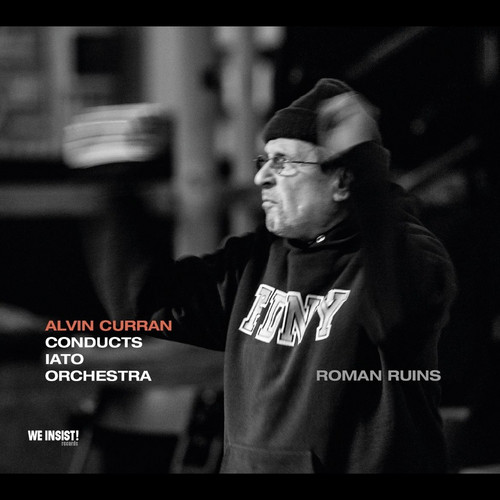
Roman Ruins
Alvin Curran conducts the Iato Orchestra, thirty musicians with voice, reeds, brass, strings, harp, accordion, guitars, vibraphone, basses, two drummers and four electronics players.
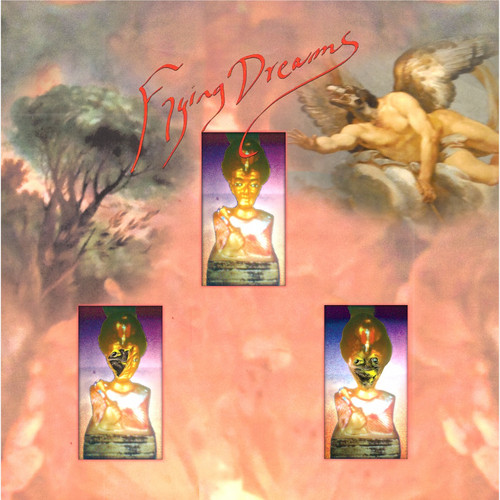
Flying Dreams
Spencer Clark returns as Monopoly Child with five electronic sound paintings inspired by Rome's Villa Borghese gardens: distorted voices, transformed bells and luminous synthesizers as a manual of levitation magic.
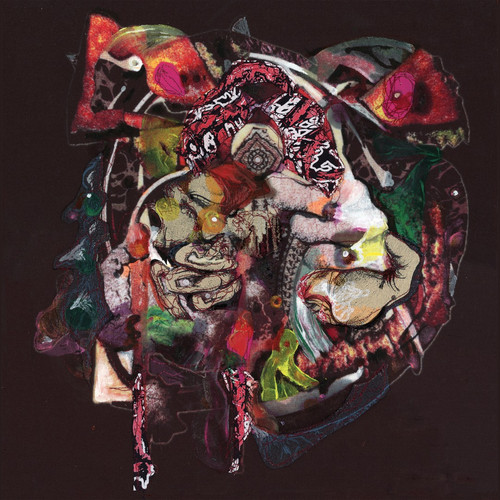
Self Embalmed
Wolf Eyes' first full-length as the core duo of Nate Young and John Olson since 2023: twelve tracks of warped kicks, skittering drum synth, narcotized vocals and Olson's homemade reeds.
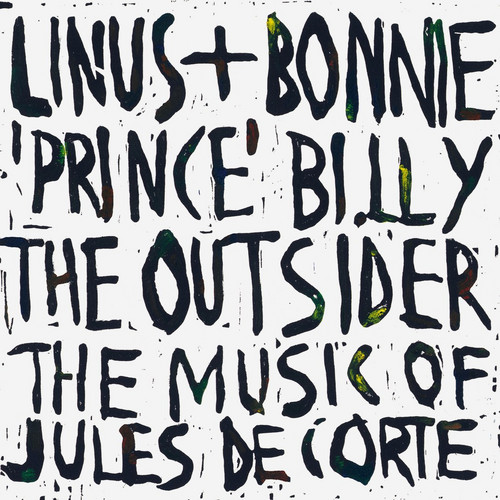
The Outsider, The Music Of Jules De Corte
Belgian improvisers Linus and Bonnie 'Prince' Billy reimagine the songs of Dutch songwriter Jules de Corte: slowed, expanded folk miniatures on religion, love and loss, with guitars, banjo, clarinet and lap steel.
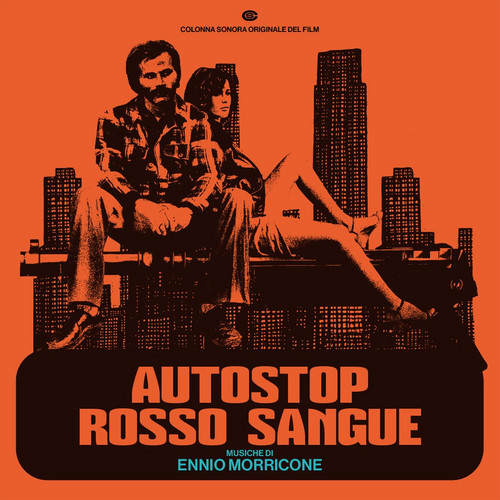
Autostop Rosso Sangue
Ennio Morricone's 1977 score for Pasquale Festa Campanile's road thriller with Franco Nero, Corinne Cléry and David Hess, with Edda Dell'Orso and I Gladrags: first reissue since the 500-copy original, restored from the master tapes, in a digipack.
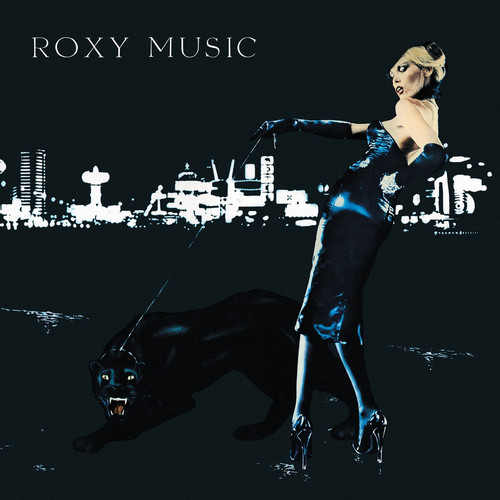
For Your Pleasure
Roxy Music's 1973 second album, the last with Brian Eno, remastered on 140g black vinyl with a second disc of unreleased AIR Studios outtakes and the Eno tapes of the title track, in a gatefold sleeve curated by Bryan Ferry.
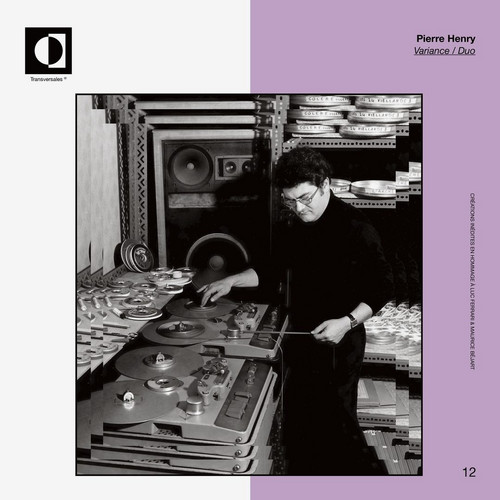
Variance / Duo
Two unreleased late works by Pierre Henry for his centenary: Variance (2005), a fugal homage to Luc Ferrari, and Duo (2003), a gestural rhapsody for feedback and piano dedicated to Maurice Béjart. Licensed from Studio Son/Ré.
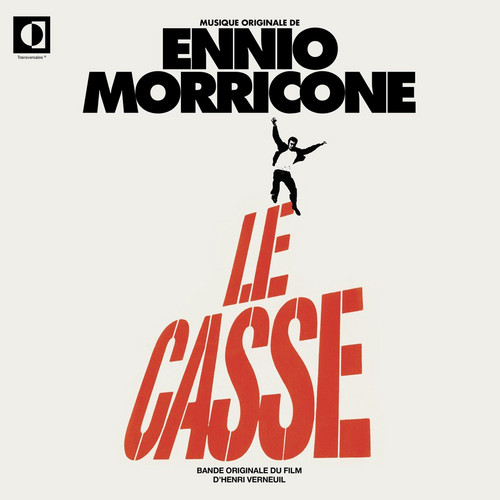
Le Casse
First vinyl reissue of Morricone's score for Henri Verneuil's 1971 heist film with Belmondo and Omar Sharif: crime grooves, lounge jazz and Edda Dell'Orso's voice under Bruno Nicolai's baton, plus two rare Astrud Gilberto sides.
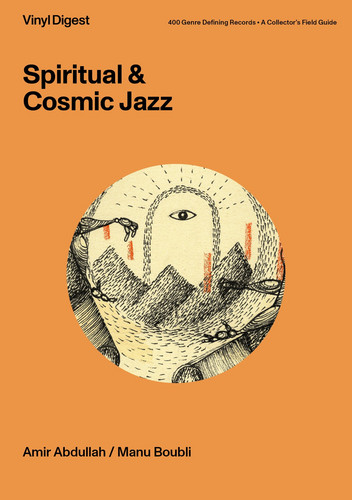
Vinyl Digest #1: Spiritual & Cosmic Jazz
A collector's field guide to 400 spiritual and cosmic jazz records, from the mid-1960s to today, chosen and annotated by Amir Abdullah and Manu Boubli, with rarity scores and lists by Gilles Peterson, King Britt and Matthew Halsall.
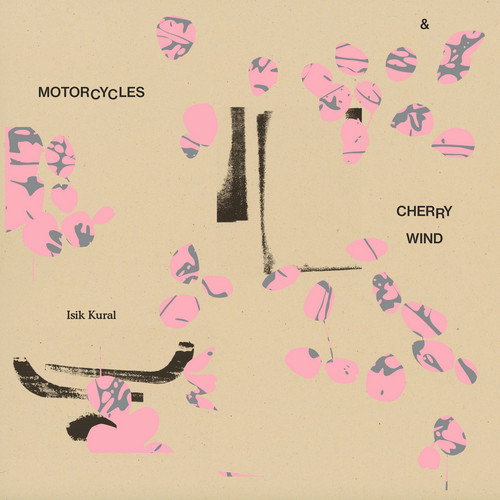
Motorcycles and Cherry Wind
Isik Kural’s Motorcycles and Cherry Wind is a sonic travelogue of stories waiting and wanting to be told, of seekers passing through a loop of time as they become witnesses to the glories of the ancient ruins. The album holds sounds of timeless quality—like inherited folklore, draped with secondhand nostalgia—taking the shape of whoever is eager enough to claim it as their own. Rich and full of character like the dusty mystery of an archeological site, Kural whispers to the living and the long g…
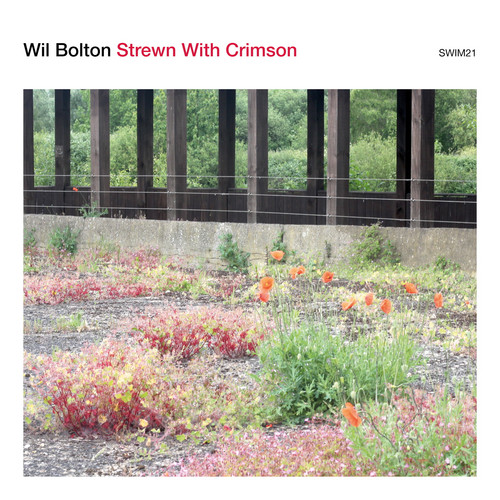
Strewn with Crimson
Wil Bolton’s forthcoming album, Strewn with Crimson, is an evocative sonic portrait of East London’s Lea Valley. Shaped by the region's wetlands, marshes, and industrial edgelands, the project weaves together site-specific field recordings, found objects, modular synthesis, and processed acoustic instruments. The album’s title draws inspiration from the wild poppy and herb-robert flowers growing across derelict Victorian filter beds, symbolising a complex landscape where rich biodiversity and ec…

Genius Loci
On his debut album, Genius Loci, London-based producer Pavel Doronin combines modular electronics with theremin, saxophone and a rich array of field recordings, mapping out a psychogeography that criss-crosses from the Bavarian banks of the Danube to the Irish Sea and back again.
Doronin's breadcrumb trail suggests an urban drift from tennis court to medieval gate, eroded signs and municipal heraldry caught in relief like hallucinatory wax rubbings. Soaring melodies (courtesy of guests Grégoire …
My dreams are only nightmares
While nightmares are deeply personal, they simultaneously reflect broader societal conditions. — m preis

LoFi Brutalist Action Jazz
*100 copies limited edition* I went looking for a dictionary definition of brutalism, trying to understand it a bit better. It had been our starting point since the first rehearsal. But did we actually understand it? Does any of it have something to do with our music? Does it even make sense — instrumental pieces inspired by buildings?We didn't set out to make a genre out of it. We set out to strip things down. Take a melody, take a rhythm, cut away everything that isn't essential — no polish, n…

Vertical Vignettes
Celebrating the 100th release on Kit, The Hague artist — and overseer of esteemed Plafond and Rubber imprints — Ruben Verkuylen squints through the telescope to reveal a high-rise debut of constructivist electronics and domestic bricolage, as The Social Lover. 'Vertical Vignettes' looms like a cutaway apartment block of overlapping lives and skintled brickwork. These are less songs than scenes; inspired in equal measure by Jacques Tati's 'Playtime' and Georges Perec's 'Life: A User's Manual', Ve…
Outside the Lines, Vol. 8
“…pretty wild… with aspects of surrealism… a strange sort of pathos… a kind of absurdity… a kind of muted spectacularism…” — Neil Luck
Nonclassical presents the latest instalment of the Outside the Lines-compilation series, co-curated with artist and composer Neil Luck, out on limited edition cassette and digital on 23rd October. Outside the Lines Vol. 8 brings together a seemingly disparate group of UK-based artists working in the gaps between composition, spoken word, performance art and elect…
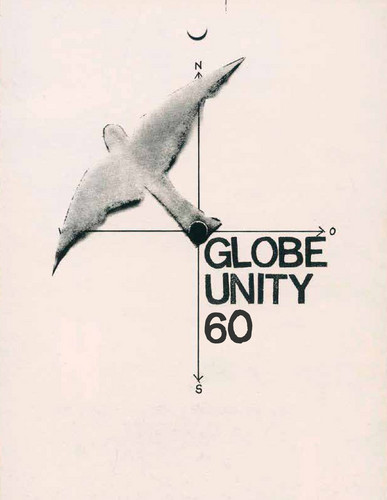
Globe Unity 60
Markus Müller's 288-page history of the Globe Unity Orchestra at sixty: Schlippenbach's liner notes, photographs by Gérard Rouy and Cristina Marx, interviews with Schlippenbach and George Lewis, new texts by Corbett, Lake and Gustafsson.